 Skip to content

Ask five categories of questions at any scalp micropigmentation consultation: practitioner experience and healed portfolio, pigment and technique choices, session count and timeline, total cost and maintenance policy, and safety or patch-testing procedures. Bring a notebook and write the answers down. The checklist below breaks each category into specific, word-for-word questions you can print and use in the room.
TL;DR:
- Professionally completed SMP treatments with a substantial portfolio and healed photos from cases similar to yours indicate experienced practitioners.
- Clear explanations of pigment choices, needle configurations, and limitations show a practitioner’s technical competence and transparency.
- Expect most cases to require two to four sessions, with healing occurring over four to eight weeks and longer for corrective work.
- Accurate estimates should separate session costs from touch-up fees, with specific maintenance timing and costs clarified upfront.
- Reputable clinics provide documented healed results, detailed aftercare instructions, and written policies on touch-ups, avoiding vague promises or pressure.
Table of Contents
- SMP Consultation Questions to Ask, Grouped by Priority
- How Should You Prepare for the Appointment?
- How Do You Judge a Good Answer From a Red Flag?
- What Should Sessions, Cost, and Maintenance Realistically Look Like?
- What Safety Checks and Disclosures Matter Most?
- What Proof Should a Reputable Clinic Show You?
- Why Most SMP Advice Skips the Part That Matters Most
- How Enhanced Scalp Handles Your Consultation
- Sources
- FAQ
SMP Consultation Questions to Ask, Grouped by Priority
A consultation typically runs for a moderate amount of time, and a scattered list of questions wastes that time. Work through these five groups in order, and you will leave with everything you need to compare providers or make a booking decision.
Experience and healed portfolio
- How many full SMP treatments have you personally completed, and how many were on a scalp similar to mine?
- Can I see healed results from a client with my hair color, skin tone, or scarring pattern, not just fresh work photos?
- If I need corrective work, do you have case notes or before-and-after photos from prior corrective clients?
Pigments and technique
- What pigment type and needle configuration do you use, and why did you choose that combination?
- How do you select pigment color for my specific skin tone, and how do you prevent the blue or gray shift that shows up years later on some clients?
- What technique do you use to replicate natural follicle randomness instead of a uniform dot pattern?
Treatment plan and timeline
- How many sessions do you expect for my case, and how long does each one run?
- How much time do you recommend between sessions, and why that spacing?
- What should fresh results look like immediately after a session, and how does that differ from the healed result at eight weeks?
Cost and maintenance
- Can I get an itemized estimate that separates session cost from any touch-up fees?
- What is your touch-up policy, and is a first touch-up included in the original price or billed separately?
- Based on my skin and lifestyle, what is a realistic longevity estimate before I need a refresh?
Safety and medical checks
- Do you offer a patch test, and would you recommend one for me given my skin history?
- What scalp conditions, medications, or prior transplant work do I need to disclose before you finalize a plan?
- How do you handle scarring or keloid-prone skin during needle work?
Before the appointment, put together a bring-this folder: photos of your scalp from multiple angles, a list of current medications and medical conditions, notes on any prior scalp treatments or male pattern baldness history, and a notebook or phone app to record every answer above.
How Should You Prepare for the Appointment?
A rushed consultation gives a rushed quote. Preparing the right evidence lets the practitioner give you a plan based on your actual scalp, not a guess.
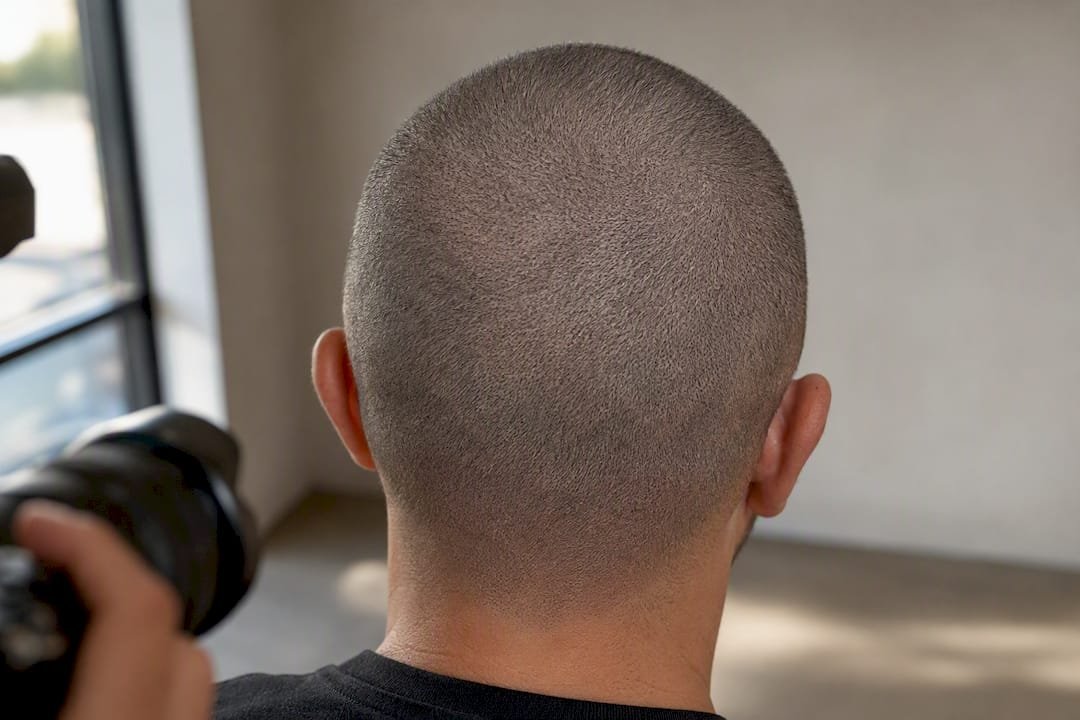
- Take photos in natural light, close up and from at least three angles (front, top, back), with your current hairstyle visible. Send them ahead of the visit if the clinic accepts digital submissions, since clinics that request photos in advance can catch inaccurate assessments caused by recent sun exposure or a scalp treatment you forgot to mention.
- Decide whether to shave beforehand. Leave hair as-is if the practitioner wants to see your natural density and growth pattern first. Shave only if they specifically ask, since an honest scalp evaluation usually needs to see the skin without hair covering scars or pigment irregularities.
- Gather your documents. Bring a written medical history, a current medication list, records from any prior hair transplant or scalp surgery, and photos of previous scalp tattoo work if you are seeking correction. The SMP treatment guide from Enhanced Scalp outlines the kind of documentation a thorough clinic works from, and it is worth reviewing before you go.
How Do You Judge a Good Answer From a Red Flag?
The quality of the answers matters more than the answers themselves. A practitioner with real experience talks in specifics. Someone covering for a thin résumé talks in generalities.
A strong answer on experience names actual numbers: years in practice, approximate count of completed full treatments, and a request to walk you through healed photos from a case resembling yours. A strong answer on technique names the pigment family or needle setup instead of just saying “medical grade” and moving on, and it includes at least one honest limitation, like the fact that very fair or very dark skin tones need extra color matching passes.
Watch for these red flags:
- Vague timelines (“we’ll figure out sessions as we go”) instead of a specific range.
- Pressure to book and pay a deposit before you have seen any healed work.
- Reluctance or refusal to show healed photos, only fresh post-session shots.
- No patch-test option offered, even after you mention sensitive skin or a history of reactions.
- A touch-up policy that is verbal only, with nothing written down.
If any of these show up, ask for a written treatment plan, an itemized quote, and a folder of healed-result photos you can take home to compare against other consultations.
Pro Tip: Ask the practitioner to show you a healed photo at the six-month or one-year mark, not just the two-week mark. Pigment settles and can shift color over time, and a clinic confident in its work will have that longer-range documentation ready.
What Should Sessions, Cost, and Maintenance Realistically Look Like?
Most straightforward density or hairline cases run a few sessions. Scar camouflage and corrective work over a failed transplant or a previous poor SMP job often need more, because the practitioner is color-correcting or layering pigment gradually rather than starting from bare skin.
Cost depends on a few factors you should ask about directly:
- Practitioner experience — technicians with more completed treatments often price higher, and reasonably so.
- Scope of the work — a full scalp treatment or extensive scar camouflage costs more than a hairline touch-up.
- Number of sessions required — corrective and color-correction cases add sessions, which adds cost.
- Geographic market — pricing varies by region and clinic overhead.
On maintenance, ask when a touch-up is typically recommended and what accelerates fading in your specific case, since sun exposure and chlorinated pool use both wear pigment down faster over time. Request pricing broken out by session, with a clear line on whether touch-ups or aftercare products are bundled in, so you can compare quotes from different clinics on equal terms.
What Safety Checks and Disclosures Matter Most?
Ask for a patch test if you have sensitive skin or any history of reactions to tattoo ink or topical products. A patch test can flag an allergic reaction risk or pigment intolerance ahead of a full session, though it does not guarantee how the pigment will look years down the road, since long-term pigment behavior depends on more than initial tolerance.
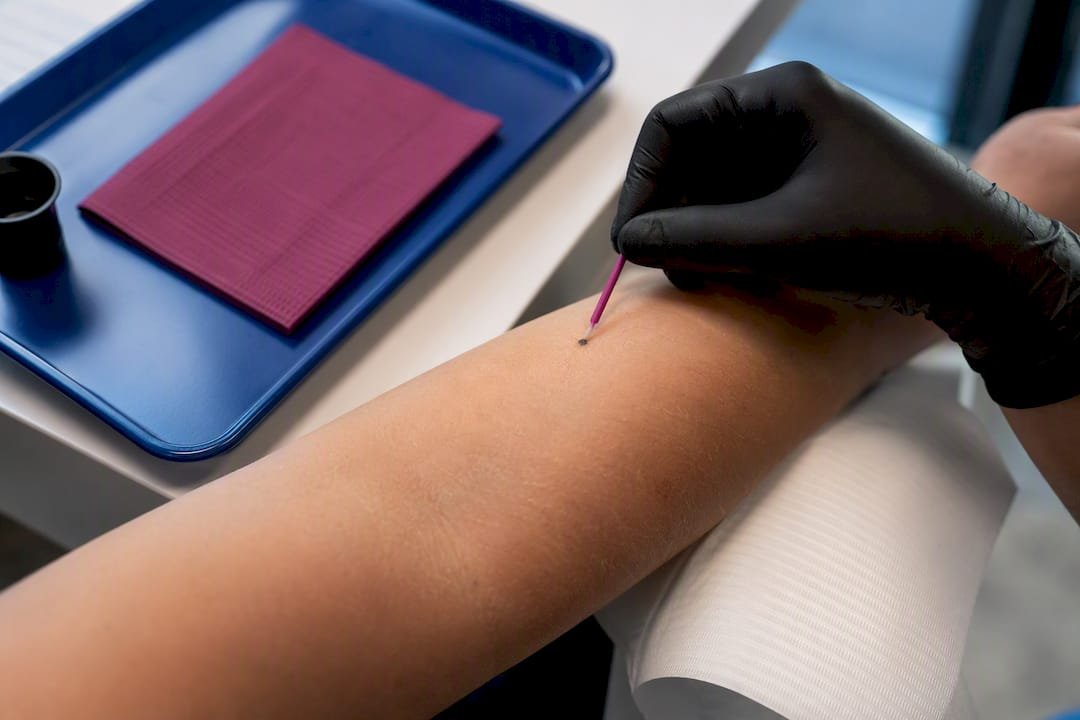
Disclose any bleeding disorders, immunosuppressant medications, keloid-prone skin, or recent scalp surgery. Normal healing includes redness and mild scabbing for several days. Ongoing pain, spreading redness, or fever needs prompt medical follow-up, not a wait-and-see approach.
What Proof Should a Reputable Clinic Show You?
A clinic worth booking hands you evidence, not promises. Enhanced Scalp’s treatment guide documents healed results and aftercare in detail, which is the standard to hold any provider to during a consultation.
Ask for:
- A sequence of healed photos, not just day-of shots, ideally spanning several months to a year.
- Case notes for corrective work if you are dealing with a failed transplant or prior poor SMP.
- Written aftercare instructions you can take home and reference during healing.
- A documented touch-up policy that states what is included and what costs extra.
Why Most SMP Advice Skips the Part That Matters Most
Most guides to scalp micropigmentation consultations hand you a list of topics and stop there. Knowing to ask about pigment types is not the same as knowing what a good answer sounds like versus a rehearsed one. The gap between those two things is where a lot of disappointing SMP results come from, and it rarely gets addressed head on.
My honest read on this: healed photos matter more than any other single piece of evidence a practitioner can offer. Fresh work looks good on almost anyone. Skin that has settled at six months tells you whether the color choice, needle depth, and follicle pattern actually hold up. If a provider hesitates on that request, treat it as more informative than a full page of credentials.
The other overlooked point is that a vague timeline is not a minor gap. It usually means the plan was never really built around your scalp in the first place. Push for the specific number, the specific spacing, and get it in writing before you commit to anything.
— James Christopher
How Enhanced Scalp Handles Your Consultation
Some clinics build their consultation process around key elements like healed-result documentation instead of only fresh photos, a personalized plan instead of a generic package, and an itemized quote you can compare against other providers’ numbers.
A thorough consultation typically includes a review of healed portfolio work relevant to your case, a patch test when your skin history calls for one, and a written plan covering session count, spacing, and cost before you commit to anything. Whether you are dealing with general thinning, a receding hairline, or scar camouflage from a prior transplant, bring the photos and medical history outlined earlier, and the team will walk through every question on this checklist with you directly. Book a scalp micropigmentation consultation to get a personalized plan and an itemized quote before you decide on anything.
FAQ
Can SMP go wrong?
Yes, poorly executed SMP can result in unnatural color, blotchy pigment, or a hairline that looks artificial, which is why reviewing a practitioner’s healed portfolio and asking about corrective experience matters before booking. Enhanced Scalp specializes in correcting these exact issues for clients who had a prior poor SMP treatment elsewhere.
How long does an SMP usually last?
Clear communication about maintenance timing helps set realistic expectations, and many clients see fading that calls for a touch-up somewhere in the three-to-five-year range depending on skin type and sun exposure. Ask your practitioner for their specific maintenance policy rather than relying on a general estimate.
How long does it take for SMP to settle?
Pigment continues to settle for roughly four to eight weeks after a session, and the healed look at that point differs from the darker, sharper appearance right after treatment. This is exactly why healed photos, not fresh ones, are the better evidence to request during a consultation.
Is SMP really worth it?
For most clients dealing with thinning, baldness, or scarring, SMP delivers a durable, low-maintenance cosmetic result once the treatment plan and pigment match are done correctly. The value depends heavily on practitioner skill, which is why the questions in this checklist matter more than the price tag alone.

