 Skip to content

Yes, healed scalp micropigmentation can almost always be improved, but the right fix depends on the cause and how deep the pigment sits. Corrective SMP is usually the least invasive route when pigment hasn’t migrated far, while laser removal handles cases where color has spread or gone the wrong shade. Book a consultation and bring healed photos so a technician can actually see what happened before recommending a plan.
TL;DR:
- Corrective SMP is most effective when pigment has not migrated deeply, and multiple sessions are typically required for significant color or density adjustments.
- Laser removal is suitable for deep or widespread pigment issues but usually necessitates subsequent corrective SMP to achieve an even appearance.
- The success of correction depends on careful timing, with most clinics recommending waiting at least six to twelve weeks for pigment to fully settle before treatment.
- Proper provider selection involves verifying SMP-specific training, reviewing healed work, and avoiding providers who promise perfect results in a single session.
- Conservative approaches, including test patches and gradual layering, lead to more natural, lasting results and reduce the risk of further corrections.
Table of Contents
- What SMP Result Editing Actually Means
- Why SMP Goes Wrong in the First Place
- Fixing a Botched SMP: Your Real Options
- What to Expect From a Corrective SMP Session
- How to Choose a Provider for Corrective SMP
- Why Conservative Design Beats a Quick Fix
- Getting Corrective SMP Done Right
- Sources
- FAQ
What SMP Result Editing Actually Means
SMP result editing refers to a narrow set of interventions: adjusting pigment shade, rebuilding density, softening a hairline, or repairing a technical error in scalp micropigmentation that has already healed. It’s not a redo from scratch. It’s a targeted correction layered onto or removed from work that’s already settled into the skin.
You’d consider this if your healed result shows any of the following:
- Pigment that turned out too dark or too warm-toned for your skin
- Uneven density, with some areas looking patchy next to solid ones
- Color shift, often a blue or greenish cast as pigment ages
- Migration or blowout, where dots have spread and blurred
- A hairline that reads harsh, too straight, or unnatural at certain angles
- Scarring or texture mismatches where pigment sits differently than surrounding skin
One thing matters more than any of these individual issues: timing. SMP needs several months to fully settle, so a technician evaluating your scalp at week six is looking at an unfinished picture. Editing decisions made too early often target problems that would have resolved on their own.
Why SMP Goes Wrong in the First Place
Most botched results trace back to one of a handful of technical failures, and understanding which one applies to you shapes what correction will work.
- Depth errors. Pigment placed too deep spreads under the skin instead of staying put, creating the blurred look known as migration or blowout.
- Dot size and spacing. Oversized or irregularly spaced dots read as fake from a few feet away, even when the color is fine.
- Pigment chemistry. Organic pigments tend to fade faster and can shift toward blue or green tones under UV exposure, while inorganic pigments hold color longer but are harder to lighten if the shade is wrong from the start.
- Training and equipment gaps. Providers using general tattoo machines instead of SMP-specific tools, or lacking dedicated SMP training, produce a disproportionate share of corrective cases.
- Compounding factors. Multiple overlapping sessions, prior laser work on the same area, or infection during healing can all leave uneven texture or pigment density behind.
The ISHRS points to the scalp’s unusually high concentration of oil glands as the reason depth control matters so much here compared to other tattooed skin. Get the depth wrong on a scalp, and the oil-rich tissue makes migration far more likely than it would be on, say, a forearm.
Fixing a Botched SMP: Your Real Options
Once you know why your SMP looks the way it does, the next question is which correction path fits your situation. Four approaches dominate the corrective landscape, and they’re rarely interchangeable.
- Corrective SMP. A skilled technician blends new pigment into the existing work, recolors patches that have shifted, and can soften a hairline that reads too sharp. This works best when pigment sits shallow and hasn’t migrated far, and it’s typically the fastest, least invasive fix.
- Laser removal. For pigment that’s gone deep, spread wide, or turned an unnatural color, laser treatment breaks it down over multiple sessions. Removal is rarely one-and-done. Most cases need a follow-up round of corrective SMP once the skin clears, because bare skin next to faded pigment looks just as mismatched as the original problem.
- Saline or salt-based removal. These methods work reasonably well on small permanent makeup areas but perform poorly across the larger surface of a scalp. Industry guidance on botched SMP correction warns this approach carries real risk of uneven results and scarring, which makes it a fallback rather than a first choice.
- Combined strategies. Severe cases often need staged treatment: partial laser removal followed by corrective SMP to rebuild uniform density and color.
A peer-reviewed clinical review makes a point worth taking seriously: removing pigment from just one patch rarely matches the surrounding healed SMP, which is why full-area strategies get recommended more often than spot fixes. Treating one dark patch in isolation can leave you with a lighter island surrounded by the original problem.
Pro Tip: If you’re unsure whether your case needs removal or can be corrected directly, ask for a small test patch first. A technician can gauge how your skin and existing pigment respond before committing to a full session plan.
What to Expect From a Corrective SMP Session
Corrective work follows a more careful sequence than a first-time SMP session, mostly because there’s existing pigment to work around rather than a blank canvas.
- Consultation and assessment. Bring healed photos taken in natural light. The technician examines pigment depth, color tone, and density under magnification, then runs a small test patch to confirm how your skin will react to the corrective pigment.
- Session planning. Most corrective cases need a few sessions, spaced weeks apart, depending on how much blending or recoloring is required. Minor hairline softening might need just one visit; a full color correction across a large area usually needs more.
- The sessions themselves. Each visit builds on the last, layering pigment gradually rather than trying to fix everything at once. Rushing density in a single pass is one of the more common reasons corrective work itself goes wrong.
- Healing and settling. Expect light scabbing for a few days, then a fading phase where pigment looks lighter than the final result. Full settling takes roughly six to twelve weeks, and that’s when the technician does the real final assessment.
- Longevity and touch-ups. Well-placed pigment commonly lasts five to ten years before a touch-up becomes worth considering, though sun exposure accelerates fading. Daily sunscreen or a hat on high-UV days meaningfully extends how long your result holds its tone.
Pro Tip: Don’t judge a corrective session at the two-week mark. Pigment always looks different mid-heal, and evaluating too soon leads people to request unnecessary follow-up work on a result that hasn’t finished settling.
How to Choose a Provider for Corrective SMP
Corrective work demands more skill than a first-time application, since the technician is working around existing pigment rather than starting fresh. The vetting bar should be higher, not lower.
- Confirm SMP-specific training rather than general tattoo certification. Standards guidance from the ISHRS recommends dedicated SMP coursework and blood-borne pathogen training as baseline credentials, not extras.
- Ask to see healed photos taken months after treatment, not just fresh work. Anyone can make SMP look good on day one.
- Request examples specifically of corrective or blowout-repair cases, since blending onto existing pigment is a different skill than working on bare scalp.
- Ask directly about pigment type, whether they run test patches, and whether they collaborate with laser providers when removal is part of the plan.
- Get a realistic session count and price range before booking. Corrective cases almost never resolve in a single visit.
A provider who guarantees a perfect result in one session, can’t produce healed documentation of past corrective work, or dodges questions about removal options is telling you something. Walk away.
Watch for sudden price jumps between the quote and the appointment, and for any technician who seems more interested in booking you than diagnosing what actually went wrong with your existing SMP.
Why Conservative Design Beats a Quick Fix
Most botched SMP I’ve seen didn’t fail because a technician lacked skill entirely. It failed because someone went too dark, too dense, or too fast on a first pass, leaving no room to adjust later. Corrective work is, in a real sense, cleanup for decisions that should have been more conservative the first time around.
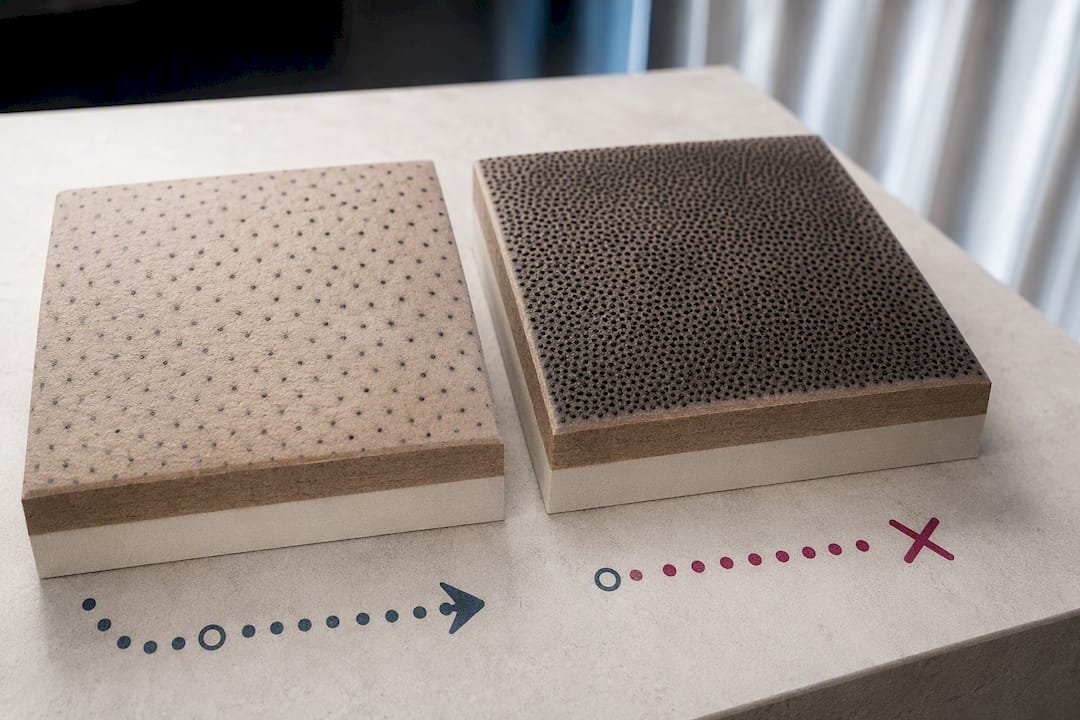
Every treatment should be built around that lesson: test patches before committing to a shade, hairlines drawn to age naturally rather than look sharp on day one, and healed documentation instead of fresh, flattering photos taken right after a session. A result that looks slightly understated at six weeks and settles into something natural at twelve is a far better outcome than one that looked dramatic on day one and needed correction by month four.
Anonymized cases we’ve corrected almost always share the same root cause: rushed density or color decisions made without testing first. Success in corrective work looks quiet. Nobody notices you got SMP. That’s the whole point.
— James Christopher
Getting Corrective SMP Done Right
This clinic specializes in the kind of corrective work covered here: blending uneven density, recoloring pigment that’s shifted tone, softening hairlines that read too harsh, and rebuilding results after prior poor SMP or a failed hair transplant. The approach stays conservative by design, using pigment testing and gradual buildup instead of pushing for a dramatic result in one pass.
A consultation starts with a review of your healed photos and a hands-on scalp assessment, followed by pigment testing to confirm how your skin responds before any correction begins. From there, you get a session plan tailored to what actually caused your result, not a generic package. If you’re dealing with a botched SMP, patchy density, or scarring you want blended away, the scalp micropigmentation page is the place to start, and booking a consultation is the fastest way to find out exactly what your correction would involve.
Sources
For technical background on pigment depth and scalp physiology, the ISHRS guidance on SMP is a solid primary source. The peer-reviewed clinical review covers outcomes and removal data, and Cleveland Clinic’s patient guidance explains candidacy and aftercare basics.
- Scalp Micropigmentation (SMP): All You Need to Know – ISHRS
- Scalp micropigmentation clinical review – PMC
FAQ
Can a bad SMP job be fixed without starting over?
Yes, in most cases. Corrective SMP blends new pigment into existing work without requiring full removal, though severity determines whether removal needs to happen first.
How many sessions does corrective SMP usually take?
Most corrective cases need one to three sessions, spaced weeks apart, depending on how much color or density correction is required.
Is laser removal painful or risky for SMP correction?
Laser removal is generally well tolerated but requires multiple sessions and often needs follow-up corrective SMP afterward to rebuild uniform color across the treated area.
How long should I wait before getting SMP corrected?
Wait until your scalp has fully settled, typically six to twelve weeks after the original session, since pigment continues to change appearance during healing.
Will corrective SMP look natural once it’s healed?
When done with conservative density and proper pigment testing, corrective SMP typically blends in well enough that the correction itself isn’t noticeable.

