 Skip to content

SMP is usually not recommended on active keloids, and most reputable clinics will not proceed until a dermatologist confirms the scar has stabilized. Exceptions exist for mature, symptom-free keloids, which some experienced clinics evaluate on a case-by-case basis. If you’re dealing with a keloid, your first appointment should be with a dermatologist, not an SMP studio.
TL;DR:
- Keloids must be fully stabilized through multiple treatments like corticosteroid injections and laser therapy before considering SMP.
- Scar tissue responds unpredictably to pigment, with resistant, dense keloids often causing patchy or uneven results.
- Clinicians require at least a year of stability, no recent symptoms, and no ongoing treatments before authorizing SMP on keloids.
- Technicians adapt their methods by using lower pigment density, staged sessions, and adjusting needle depth to accommodate scar tissue characteristics.
- Long-term risks include uneven pigment retention, color shifts, and the rare possibility of triggering new keloid activity.
Table of Contents
- Why Keloid Scars Respond Differently to Pigment Than Other Scars
- What Medical Stabilization Actually Involves
- How Clinicians Decide If a Scar Is Ready for SMP
- How Technicians Adjust Their Technique on Mature Scar Tissue
- What Results and Risks Look Like Long-Term
- Your Practical Checklist Before Booking an SMP Consultation
- A Clinic’s Honest View on Scar Cases
- Consider Enhanced Scalp for Complex Scar Cases
- Sources
- FAQ
Why Keloid Scars Respond Differently to Pigment Than Other Scars
Keloid tissue is dense with disorganized collagen bundles that grow beyond the original wound border, and that fibrotic structure is exactly what makes it a poor canvas for pigment. Needles pushing pigment into that tissue meet resistance that’s unpredictable from spot to spot, so ink can pool in some areas and barely take in others. The result is often patchy retention that looks worse than the bare scar it was meant to cover.
Hypertrophic scars, which stay within the wound boundary and tend to soften over time, generally behave more predictably under the needle once they’ve matured. Atrophic scars sit at the opposite end of the spectrum: thin, depressed tissue with less structural density, which can let pigment migrate sideways under the skin and blur into soft-edged smudges instead of crisp dots.
Clinicians and experienced technicians watch for specific signs that a scar isn’t ready for any cosmetic work, keloid or otherwise:
- Continued growth beyond the original injury site, even slow growth
- Persistent itching or tenderness, especially without an obvious trigger
- Sharp or aching pain on contact
- Color that’s still shifting from red or purple toward brown, rather than settling
- Shiny, taut, or still-thickening surface texture
Skin tone matters here too. Keloids often heal a shade darker or lighter than the surrounding scalp, and that contrast has to be accounted for before anyone talks about pigment matching. The Cleveland Clinic’s overview of scalp micropigmentation notes that SMP still involves skin-penetrating needlework, which is precisely the mechanism that can provoke keloid activity in people prone to it. That’s the biological reason behind the caution, not just clinic policy.
What Medical Stabilization Actually Involves
“Stabilized” doesn’t mean the scar looks perfect. It means the keloid has stopped growing, stopped causing symptoms, and has held steady long enough that a dermatologist is confident it won’t flare from additional trauma. Getting there usually takes a combination of treatments rather than one fix.
- Intralesional corticosteroid injections — typically administered every 4 to 6 weeks, often for several cycles, to flatten and soften the tissue.
- 5-fluorouracil (5-FU) injections — sometimes combined with steroids to improve response in resistant keloids.
- Pulsed-dye laser sessions — spaced several weeks apart, aimed at reducing redness and vascularity.
- Cryotherapy — freezing treatments that can shrink smaller keloids but frequently cause lasting lightening or darkening of the treated skin.
- Pressure therapy or silicone sheeting — worn for months, mainly used on healing wounds to prevent keloid formation in the first place.
- Surgical excision with adjuvant radiotherapy or injections — reserved for larger or resistant keloids, always paired with follow-up treatment.
The recurrence numbers explain why nobody treats surgery as a standalone answer. According to a PMC review of keloid scar management, excision alone carries recurrence rates as high as 70% to 100%, while combined protocols pairing surgery with radiotherapy or injections can bring recurrence down to 22% or lower.
That gap is the whole argument for patience. A 2026 systematic review of 162 studies on keloid and hypertrophic scar therapies found no single gold-standard treatment, but consistently better outcomes from combined, sequential approaches over any monotherapy. Side effects matter for SMP planning too: cryotherapy and laser can leave permanent pigment changes in the treated skin, which will affect how a technician matches ink color months or years later.
How Clinicians Decide If a Scar Is Ready for SMP
Dermatologist clearance is the checkpoint that separates a safe SMP consultation from a risky one. Clearance confirms three things: the scar has reached maturity (usually a year or more past the last active treatment), there are no ongoing symptoms, and the patient’s broader history doesn’t flag other active or high-risk keloids elsewhere on the body.
Certain findings stop the process before it starts. SMP technicians and dermatologists both watch for:
- Any sign of active growth, itching, or pain within the last several months
- Recent laser, cryotherapy, or injection treatments (within the timeframe your dermatologist specifies)
- Current use of blood thinners or anticoagulants, which complicate needle-based work
- Visible inflammation, infection, or open skin near the scar site
- A personal history of keloids forming from minor injuries like piercings or acne
Borderline cases don’t always get a flat yes or no. Some dermatologists recommend watchful waiting, extending the observation period by several more months before reconsidering. Others agree to a small test patch in an inconspicuous area, or a staged plan using very low pigment density for the first session, with follow-up review before adding more.
Pro Tip: Start a dated photo log of the scar the moment you begin any medical treatment. Monthly photos under consistent lighting, paired with your dermatologist’s written notes on symptoms and size, give any SMP technician the clearest possible picture of whether the scar has truly stopped changing.
How Technicians Adjust Their Technique on Mature Scar Tissue
Once a scar clears medical review, the SMP approach itself has to change. Some clinics treat healed keloid and hypertrophic tissue as a different material entirely, not just a cosmetic afterthought layered on top of normal scalp skin.
Technicians typically apply pigment more conservatively on scar tissue, using lower density on the first pass and building up gradually across multiple sessions rather than trying to achieve full coverage in one sitting. That staged approach gives the technician time to see how the tissue actually holds pigment before committing to a final saturation level. Sessions are also spaced further apart than standard SMP work, since scarred skin heals less predictably and needs a longer window to reveal its true retention pattern.
Needle depth and stroke pressure shift depending on the scar’s firmness. Denser, raised scar tissue may require different angles than thinner, depressed areas, and a small test patch on the scar itself, done before committing to a full session, tells the technician far more than guesswork ever could.
Realistic goals matter as much as technique. The aim on scar tissue is optical blending, using pigment and surrounding shading to make the area less visually distinct, not erasing the scar’s texture entirely. Prior medical treatments like cryotherapy can leave the skin lighter or darker than expected, which changes what pigment shade will actually match on healed skin. Enhanced Scalp’s FUE scar repair guidance walks through how this staged, patience-first process plays out on transplant-related scarring specifically.
- Lower initial density, built up over multiple spaced sessions
- Test patches before full-session commitment
- Depth and stroke adjusted to scar firmness versus surrounding skin
- Pigment shade selected only after accounting for prior treatment discoloration
Pro Tip: Ask any clinic you’re considering to show you healed photos, at least six months post-treatment, of scar camouflage cases specifically. Fresh photos taken right after a session tell you almost nothing about how pigment actually settles into scar tissue.
What Results and Risks Look Like Long-Term
Even with a careful approach, scar tissue doesn’t guarantee a flawless outcome. Uneven pigment retention is the most common issue, showing up as patches that look darker or lighter than the surrounding SMP work. Some clients see blurred or soft-edged dots where thinner scar tissue let ink spread slightly under the skin. Color can also shift over months as the body processes pigment differently in scarred versus unscarred areas.
The risk that concerns dermatologists most is rare but real: in people genuinely prone to keloids, any skin-penetrating procedure, SMP included, carries some chance of triggering new keloid activity at the treatment site. This is precisely why the American Academy of Dermatology advises keloid-prone patients to avoid elective procedures without specialist input first.
Touch-ups are part of the plan on scar tissue more often than on regular scalp skin. Where standard SMP might need a refresh every few years, scarred areas sometimes need a follow-up session within the first year just to even out retention that revealed itself only after full healing.
- Patchy or uneven pigment retention in scarred zones
- Softer, blurred dot edges on thinner or atrophic scar tissue
- Gradual color shift over the months following treatment
- Rare risk of provoking new keloid growth in predisposed patients
- Earlier-than-usual touch-up needs compared to standard SMP
Ongoing monitoring matters too. If a treated scar starts itching, growing, or changing color after SMP, that’s a signal to go back to a dermatologist, not just a tattoo touch-up artist. The 22% or lower recurrence rate achievable with combined medical therapy only holds if patients stay engaged with follow-up care, including after any cosmetic work layered on top.
Your Practical Checklist Before Booking an SMP Consultation
Walking into a consultation prepared saves everyone time and reduces the odds of a clinic saying no on the spot. Bring your dermatologist’s written notes or a formal referral, a dated photo history of the scar from diagnosis through treatment, and a clear timeline of every prior intervention: injections, laser, surgery, whatever applies.
Come with questions for both sides of this process. Ask your dermatologist what specifically confirmed the scar is stable, and what symptoms would mean stopping and reassessing. Ask any SMP technician how many scar cases they’ve handled, whether they use staged sessions and test patches, and whether they can show healed results, not just fresh ones, from prior clients with similar scarring.
Watch for red flags that suggest a clinic isn’t being straight with you: promises to fully remove or erase a scar, no willingness to show long-term healed photos, or pressure toward heavier pigment saturation than your scar type can safely handle.
The sequence that keeps this safe is straightforward:
- Get a formal dermatologist assessment and diagnosis.
- Complete whatever stabilization treatment your dermatologist recommends.
- Allow the observation window they specify to pass without recurrence or symptoms.
- Consult an SMP clinic experienced with scar tissue for a staged treatment plan.
Enhanced Scalp’s scar camouflage service page outlines what that staged consultation process looks like once you’ve reached step four.
A Clinic’s Honest View on Scar Cases
Some practices build their scar-camouflage work around one principle. Conservative design beats aggressive coverage every time, especially on tissue that’s already proven it can behave unpredictably. Corrective work on failed transplants and prior poor SMP has shown that patience during consultation helps prevent regret from rushed treatments elsewhere. Every keloid case gets evaluated individually, not slotted into a standard protocol. If you’re ready for that conversation, request an assessment through Enhanced Scalp and bring your dermatologist’s notes with you.
— James Christopher
Consider Enhanced Scalp for Complex Scar Cases
Most keloid cases need months of dermatology work before cosmetic camouflage is even on the table, and that timeline is exactly where Enhanced Scalp fits: a clinic built for the complicated cases, not the straightforward ones. Enhanced Scalp specializes in corrective SMP, including failed hair transplants, prior poor SMP work, and difficult scalp conditions, which means the practice is set up to evaluate scar tissue carefully instead of pushing every client toward the same standard session.
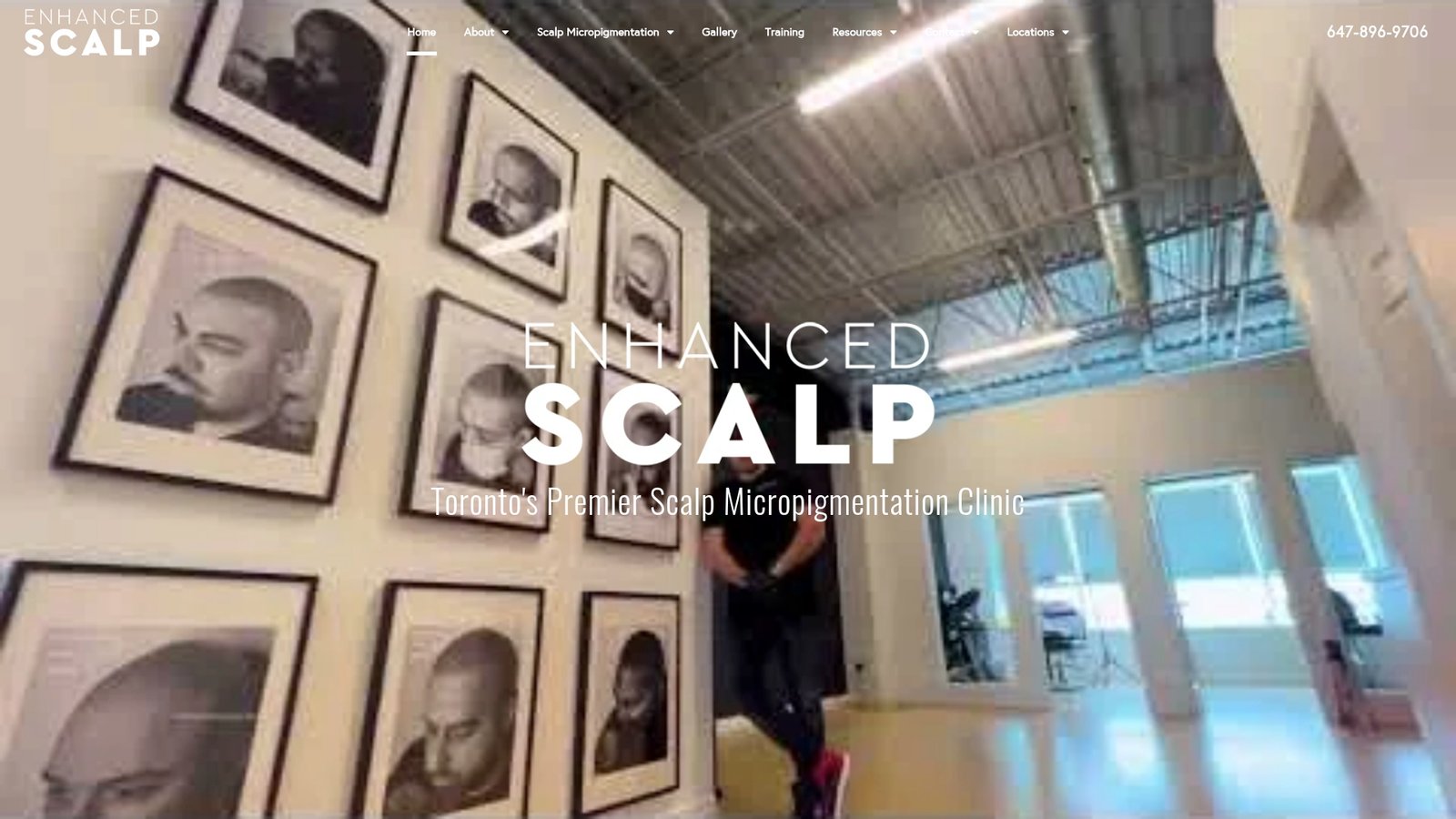
That experience with FUE and FUT scar repair translates directly to keloid and hypertrophic cases: staged sessions, conservative pigment density, and realistic expectations set before the first needle touches your scalp. If you’ve already been cleared by a dermatologist and your keloid has been stable for a meaningful stretch of time, the next step is a consultation where Enhanced Scalp can review your specific scar and history. Book an SMP assessment to find out whether your scar is ready and what a staged plan would look like for you.
Sources
- Keloid scar review (PMC article)
- Keloid scars: Diagnosis and treatment – American Academy of Dermatology
- Scalp micropigmentation: Cleveland Clinic overview
- Therapeutic methods and effect on keloid and hypertrophic scars: a systematic review (Frontiers, 2026)
This article is general information, not a substitute for advice from a qualified doctor. Consult a qualified healthcare professional about your own circumstances before acting on anything here.
FAQ
What shrinks keloid scars?
Intralesional corticosteroid injections are the most common first-line treatment, often combined with 5-FU, pulsed-dye laser, or cryotherapy for a stronger effect. No single treatment works for everyone, and most dermatologists build a multimodal plan based on the keloid’s size and history.
Do keloids ever fully go away?
Rarely on their own, and even treated keloids tend to shrink and soften rather than disappear completely. Surgical removal without follow-up therapy carries recurrence rates as high as 70% to 100%, which is why ongoing management matters more than a one-time fix.
Can I have microneedling if I get keloid scars?
If you’re prone to keloids, any skin-penetrating procedure, including microneedling and SMP, carries some risk of triggering new keloid growth. Talk to a dermatologist before scheduling microneedling, and disclose your keloid history to any provider beforehand.
How do you flatten a keloid fast?
There’s no truly fast method; intralesional steroid injections are the quickest-acting option and are typically repeated every 4 to 6 weeks to gradually flatten the tissue. Cryotherapy can work faster on smaller keloids but often leaves permanent color changes in the treated skin.
Is SMP ever appropriate for keloid scars?
SMP is generally advised against on active keloids, but some mature, symptom-free keloids may be candidates after dermatologist clearance and a documented stability period. Clinics like Enhanced Scalp evaluate these cases individually rather than applying a blanket rule.

