 Skip to content

The single biggest factor in choosing an SMP artist is healed results, not fresh photos. Confirm the artist has documented training or clinic experience, especially with corrective cases if you have scars or prior scalp micropigmentation, then use your consultation to verify how they handle pigment selection and hairline design before you book anything.
TL;DR:
- Verified healed photos taken weeks or months after treatment are essential to assess an artist’s consistent results, especially for case types similar to yours.
- A thorough consultation should include specific questions about training, experience with corrective work, pigment stability, and detailed case references; vague answers are warning signs.
- Artists with documented supervised apprenticeship, experience in matching pigment to skin tone, and understanding natural hairline design produce more authentic results.
- Most treatments require one to three sessions spaced two to three weeks apart, with proper aftercare and periodic touch-ups crucial for long-term appearance.
- Avoid studios that only show fresh photos, pressure full payment upfront, or lack verified reviews, especially when your case involves scars, previous SMP, or complex hair loss.
Table of Contents
- How Do You Evaluate an SMP Artist’s Portfolio?
- What Questions Should You Ask at Your Consultation?
- Which Credentials and Techniques Actually Matter?
- How Many Sessions Will You Need, and What Does Aftercare Involve?
- What Are the Red Flags and How Do You Verify Reviews?
- Why Conservative, Natural Results Should Be Your Baseline
- A Practitioner’s Shortlist Rule
- Booking a Consultation With Enhanced Scalp
- Sources
- FAQ
How Do You Evaluate an SMP Artist’s Portfolio?
A portfolio full of glossy, day-one photos tells you almost nothing. Scalp micropigmentation looks darkest and most defined right after the needle work, then softens as pigment settles into the dermis over the following weeks. Community forums that track SMP outcomes consistently advise checking for high-resolution healed photos with neutral lighting rather than trusting the marketing shots on a homepage.
When you look through a portfolio, treat it like due diligence, not browsing:
- Ask specifically for photos taken weeks or months after the procedure, not the day it was done.
- Compare cases that match your situation. A receding hairline case tells you little about how someone handles scar camouflage or diffuse alopecia coverage.
- Check for consistent dot size and spacing across multiple clients rather than one flawless “hero” photo.
- Look at how the hairline blends into existing hair. A natural result fades at the edges instead of forming a hard, painted line.
If a studio can’t produce healed photos on request, that alone should slow you down.
What Questions Should You Ask at Your Consultation?
The consultation is where marketing meets reality. Come with a short list of direct questions and pay attention to how specifically the artist answers, not just what they say.
- How many procedures have you completed, and how long have you been practicing SMP specifically?
- What was your training pathway, and did it include supervised casework beyond a certificate course?
- Can I see healed before-and-after photos of cases similar to mine?
- How many sessions does a typical client like me need to reach a finished result?
- What pigment do you use, how stable is it long term, and what does your touch-up policy cover?
- How is pricing structured, and what’s included versus billed separately?
- Do you have direct experience correcting prior SMP or camouflaging transplant scars, if that applies to you?
Clinic guides that walk through choosing the best scalp micropigmentation artist echo the same point: vague answers to specific questions are a signal, not an accident.
Which Credentials and Techniques Actually Matter?
Not all training is equal. A weekend certificate course teaches the mechanics of a machine. It doesn’t teach someone how a hairline should recede naturally on a fifty-year-old scalp versus a receding hairline on a twenty-eight-year-old, or how pigment behaves differently on fairer versus darker skin tones over five years. Look for artists who can point to supervised apprenticeship time and a body of documented casework, not just a diploma on the wall.
Two technical choices separate natural results from obviously artificial ones:
- Pigment selection matched to skin tone, since pigments that oxidize or shift color as they age often turn blue or gray, which reads as fake from across a room.
- Conservative hairline design that mimics an irregular, slightly receded natural hairline instead of a straight, dense line that looks painted on.
Hygiene and consent matter just as much as artistry. Confirm the studio uses single-use needles, follows a documented sterilization process, and screens for scalp conditions like psoriasis or active infection before treatment.
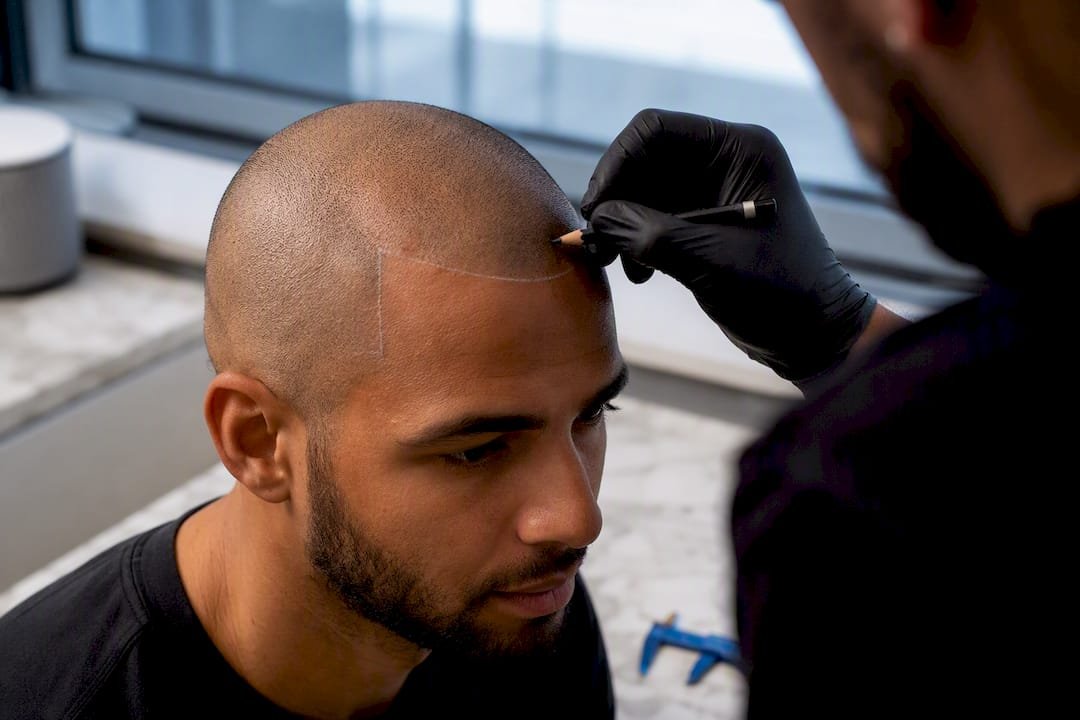
Pro Tip: Ask to see the artist’s own hairline design sketched out before the needle touches your scalp. A confident artist will walk you through the logic, not just start working.
How Many Sessions Will You Need, and What Does Aftercare Involve?
Most SMP treatments run one to three sessions, spaced two to three weeks apart, so pigment has time to settle and any gaps can be corrected in the next round. Enhanced Scalp’s own breakdown of what to expect session by session reflects that same pacing. Judge the result after healing, not immediately after a session.
Cost varies with the size of the area, whether scar camouflage or corrective work is involved, and the studio’s overall reputation. Choosing based on price alone is how people end up needing correction work later.
- A single small area typically costs less than a full crown or hairline restoration.
- Corrective SMP over prior poor work usually adds sessions and cost compared to a first-time treatment.
- Aftercare in the first ten days (avoiding sweat, sun, and friction) has a direct effect on how evenly pigment retains.
- Touch-ups every few years help offset gradual fading, especially in sun-exposed areas.
What Are the Red Flags and How Do You Verify Reviews?
Some warning signs show up before you even sit in the chair. If a studio only shows fresh, unhealed photos, refuses to share any healed work, or pressures you to pay the full amount upfront before a consultation, treat that as a reason to keep looking. Searching “SMP artist” online also surfaces unrelated results, from music profiles to guitar brands using the same acronym, so filter for clinic-specific evidence rather than trusting a search ranking alone.
Verification is simple but often skipped:
- Ask for a reference or a way to contact a past client directly.
- Check whether healed photos carry timestamps or dates, not just a caption claiming “healed.”
- Cross-check reviews across more than one independent platform, not just testimonials on the studio’s own site.
If your case involves prior SMP, laser removal, or transplant scarring, a general SMP artist may not be the right fit. Corrective work commonly requires one to three sessions with specific pigment handling that differs from a first-time treatment, so ask directly whether the artist has that specific experience before booking.
Why Conservative, Natural Results Should Be Your Baseline
Reputable clinics document their standards openly. That means showing healed scalp micropigmentation results, explaining hairline design choices, and being upfront about corrective options for clients coming from a failed transplant or a poorly done prior SMP job. Some clinics highlight client travel distance and long-term healed casework as proof of consistent quality, which is a reasonable standard to hold any artist to, regardless of where they practice.
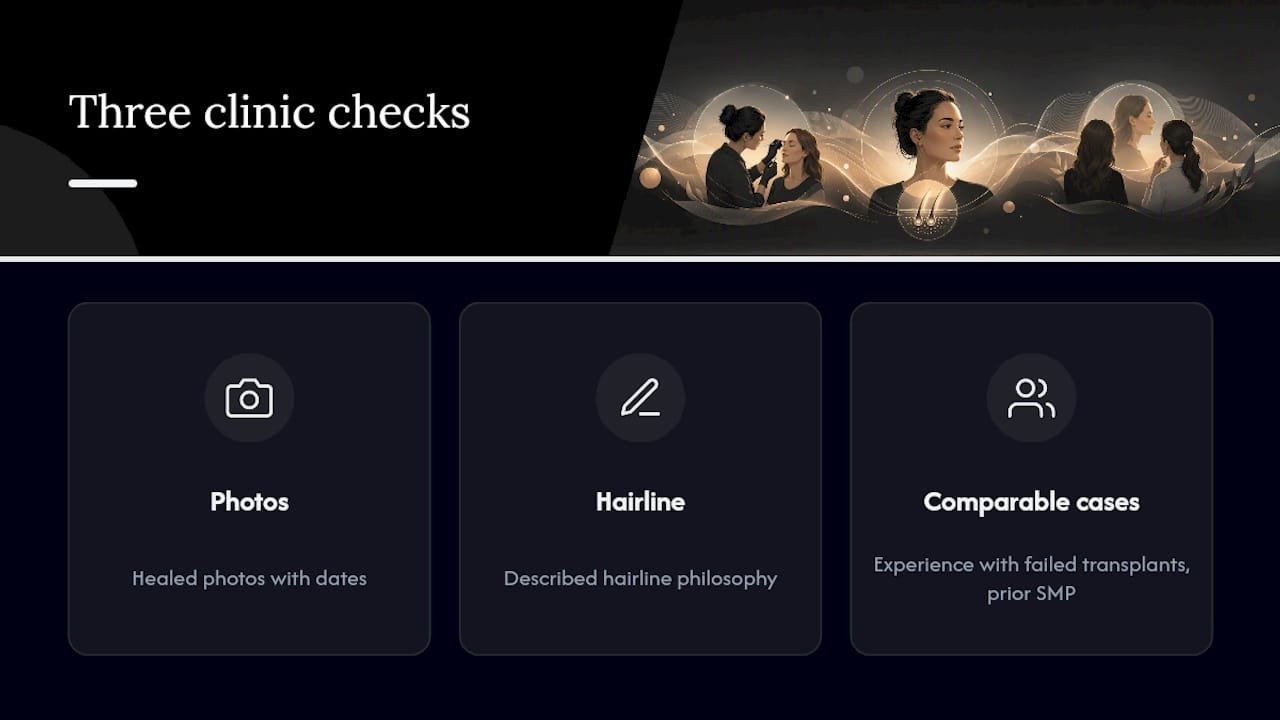
Before you commit, ask any clinic to show you the same three things: healed photos with dates, a described hairline design philosophy, and direct experience with cases like yours.
A Practitioner’s Shortlist Rule
Here’s the filter I’d apply: if an artist’s healed portfolio matches your case type, their training is documented rather than implied, and they answer consultation questions with specifics instead of reassurance, put them on your shortlist. When prior SMP or scarring is involved, lean toward a corrective specialist over a generalist. Book two consultations minimum and compare healed results side by side before deciding.
— James Christopher
Booking a Consultation With Enhanced Scalp
Some clinics build their practice around standards like documented healed results, conservative hairline design, and direct experience correcting failed transplants and prior poor SMP work. If your case involves scarring, alopecia, or a botched previous treatment, that corrective background matters more than a studio’s marketing photos ever will.
A consultation with Enhanced Scalp starts by reviewing your hair loss pattern, scalp condition, and goals, then mapping out a realistic session plan and pigment approach for your skin tone. Bring photos of your hairline from a few years back if you have them. Scalp micropigmentation through Enhanced Scalp runs $3,000 to $4,000 CAD as a one-off treatment, depending on the area size and complexity. If you’re ready to see whether your case fits, book a consultation through the scalp micropigmentation treatment page and bring your questions with you.
Sources
For healed-result standards, see Enhanced Scalp’s training program details and session-by-session process guide. For hair loss background, see this female hair loss resource.
FAQ
Who Is the Best SMP Artist?
There’s no single “best” artist since results depend on matching an artist’s documented experience to your specific case, whether that’s a receding hairline, scar camouflage, or corrective work. The strongest signal is a healed portfolio in your case category plus verifiable training, not rankings or awards.
What Are the Disadvantages of SMP Hair Treatment?
SMP fades gradually over several years and needs periodic touch-ups to stay sharp, and it can’t restore actual hair growth since it’s a cosmetic pigment application, not a transplant. Poor artist selection also carries a real risk of an artificial-looking result that requires corrective work later.
What Is an SMP Artist?
An SMP artist is a trained technician who implants pigment into the scalp’s dermis layer using a specialized microneedle device, replicating the look of closely shaved hair follicles. Technique quality varies widely, which is why conservative hairline design and proper pigment selection separate skilled artists from inexperienced ones.
Who Does the Best SMP for Corrective Cases?
Corrective SMP, fixing prior poor work, failed transplants, or laser removal cases, calls for an artist with specific documented experience in that area rather than a general SMP practitioner. Enhanced Scalp specializes in this corrective work alongside standard treatment, using session-based editing techniques tailored to existing pigment and scarring.
How Much Does Choosing the Wrong SMP Artist Cost You?
Beyond the original treatment price, a poorly done SMP job often requires laser removal, corrective sessions, or both, which typically costs more than the initial procedure. That’s why healed portfolio review and consultation questions matter more upfront than choosing based on the lowest quoted price.

