 Skip to content


You can safely resume careful shaving once the treated area has finished forming stable crusts and the skin is no longer weeping, which is usually around the one-week mark, though many people manage gentle shaving on low-risk areas after 72 hours. The daily approach that works best afterward is simple: shave frequently and gently, moisturize, and wear SPF. Always follow your own clinic’s specific aftercare instructions, since healing speed varies.
TL;DR:
- Avoid vigorous washing, sweating, sun exposure, and alcohol based products for the first 72 hours; shave only after crusts clear and skin feels calm.
- Shave every one to three days to keep stubble aligned with pigment; choose a foil shaver for even length or clippers to limit irritation.
- Wet the scalp, shave with the grain using light passes, and replace disposable blades after five to seven shaves to limit irritation.
- Scarred or recently treated areas often heal more slowly, so wait longer, test a small patch, and use clippers with light pressure before shaving fully.
- A scarring alopecia study found most patients needed touch ups within six months; monitor blurred dots or color shifts and ask your clinic about maintenance.
Table of Contents
- When can I shave after SMP? Immediate healing timeline and checkpoints
- How often should you shave with SMP? Frequency and consistency for the best look
- Best tools and techniques: clippers, electric foil shavers, and razors
- Pre- and post-shave scalp care: products, exfoliation, moisturizers, and SPF
- Shaving over scars, scarring alopecia, or recently treated areas
- Maintenance and touch-ups: how shaving habits influence fading and when to plan retouches
- Clinic-validated aftercare checklist and healed-photo expectations
- Author perspective: practical priorities for daily shavers with SMP
- We build every treatment plan around conservative hairline design and pigment selection chosen for how it ages, not just how it looks on day one. That groundwork is what can make a simple shaving and SPF routine enough to keep results looking sharp for years rather than months.
- FAQ
- Sources
When can I shave after SMP? Immediate healing timeline and checkpoints
The first 72 hours matter most. Clinic aftercare guidance commonly instructs avoiding vigorous washing and alcohol-based products during this window, since aggressive mechanical contact before crusting resolves can pull out pigment before it settles into the skin, according to SMP technical protocols. By the end of the first week, most light crusting has shed and the scalp looks calmer.
Before your first shave, check for a few things:
- No active scabs or flaking remains on the treated area.
- The skin no longer feels tender, oozy, or warm to the touch.
- Color looks even rather than blotchy or unusually dark.
- Your clinic has given explicit clearance for your specific session type.
If you had an aggressive or dense session, have scar coverage, or tend to heal slowly, wait longer and check with your provider before picking up a razor. Our SMP treatment guide walks through what to expect at each stage.
How often should you shave with SMP? Frequency and consistency for the best look
Shaving every one to three days tends to produce the most convincing shaved-head illusion, since SMP is designed to mimic a closely shaved scalp rather than bald skin. Letting stubble grow unevenly between shaves creates a visible mismatch against the pigment dots underneath.
- Shave every one to two days if you have fast regrowth or want the sharpest consistency.
- Shave every two to three days if your hair grows slowly or your skin is sensitive to frequent contact.
- Adjust based on irritation, stretching intervals slightly if you notice redness or bumps.
- Keep a fixed routine rather than shaving reactively, since irregular timing is what makes SMP look patchy.
Frequent shavers benefit from a quick daily touch-up routine, while occasional shavers should budget a few extra minutes for a more thorough session to catch uneven growth.
Best tools and techniques: clippers, electric foil shavers, and razors
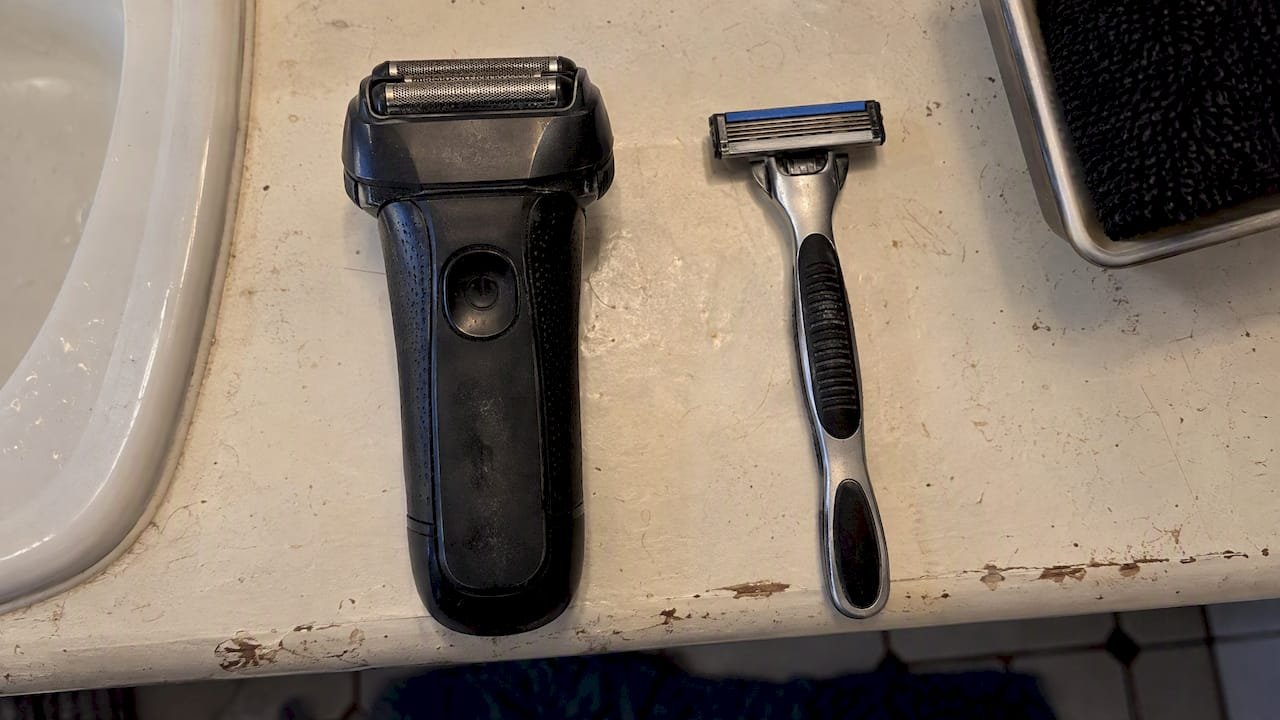
Clippers with a zero-gap blade, foil electric shavers, and multi-blade razors all work, but they behave differently on SMP-treated skin. Foil electric shavers often give a consistent, even stubble length that blends well with pigment dots, which is why many people settle on them for daily maintenance rather than switching tools often.
- Clippers: fast and low-irritation, though less precise for a perfectly smooth finish.
- Foil shavers: gentle on skin and good for consistent short stubble.
- Rotary shavers: flexible on contours but can leave slightly uneven length.
- Blade razors: closest shave, but higher irritation risk if used aggressively.
For technique, the American Academy of Dermatology recommends wetting the skin first, using a shaving cream suited for sensitive skin, shaving in the direction hair grows, and rinsing the blade after every pass to prevent buildup. Light, even passes work better than pressing hard or going over the same spot repeatedly. The AAD also advises replacing disposable blades after five to seven shaves to avoid dull-blade irritation.
Pro Tip: Keep a dedicated razor or shaver just for your scalp so buildup from facial shaving doesn’t transfer and dull the blade faster.
Pre- and post-shave scalp care: products, exfoliation, moisturizers, and SPF
A short routine before and after shaving does more to protect your results than any single tool choice. Start with a warm shower to soften the skin and hair, then use a gentle, fragrance-free cleanser rather than an alcohol-based astringent that can dry out freshly treated skin.
- Shave after a warm shower, never on dry or cold skin.
- Apply a fragrance-free moisturizer immediately after shaving.
- Skip exfoliating products right after a shave since skin is already slightly sensitized.
- Exfoliate gently once or twice a week to prevent ingrown hairs and blend stubble evenly.
- Apply SPF daily on exposed scalp skin.
UV exposure is one of the main drivers of pigment fading, and consistent SPF use helps slow that fading and delay the need for touch-ups, according to SMP pigment-retention research. A scalp that’s shaved, moisturized, and sun-protected holds its color and texture far more predictably than one left exposed or dried out.
Shaving over scars, scarring alopecia, or recently treated areas
Scar tissue takes pigment differently than healthy skin, and it often heals more slowly after a shave as well. A 2026 study in JCAS on scarring alopecia found that pigment retention varied by scar type, with conditions like morphea and lichen planopilaris showing faster fading and more diffusion than traction alopecia or frontal fibrosing alopecia.
If you have scarring, scarring alopecia, or a recently treated transplant scar:
- Wait longer than usual before your first shave over the area.
- Test a small patch before shaving the full scar zone.
- Use clippers instead of a blade razor to reduce friction.
- Apply lighter pressure and work in small sections rather than long strokes.
Our scar camouflage treatment page covers how we approach pigment planning for scarred areas specifically.
Maintenance and touch-ups: how shaving habits influence fading and when to plan retouches
Fading comes down to three main factors: UV exposure, repeated abrasion from shaving, and individual skin biology. In the JCAS scarring-alopecia study, most patients required a touch-up within six months, with pigment diffusion and color shift showing up earlier in scarred tissue than in androgenetic alopecia.
Watch for these signs that a retouch may be due:
- Dots look softer or blurrier than when they were fresh.
- Color has shifted slightly warmer, cooler, or lighter.
- Density looks uneven compared to surrounding areas.
- It’s been roughly a year or more since your last session.
A disciplined shaving and SPF routine won’t stop fading entirely, but it slows it down and stretches the time between sessions. At your next follow-up, ask your clinic how your specific skin type and pigment depth are holding up, and whether your shaving routine needs any adjustment.
Clinic-validated aftercare checklist and healed-photo expectations
A conservative, well-documented approach to the first few days sets up everything that follows. In the first 72 hours, avoid vigorous washing, sweating, and sun exposure, then resume gentle washing and shaving once crusting has fully resolved, generally within the first week.
- Avoid alcohol-based products and vigorous scrubbing for the first 72 hours.
- Resume washing and shaving only once skin is calm and crust-free.
- Follow conservative pigment layering across sessions rather than rushing density.
- Review healed-result photos with your provider to set realistic expectations.
Conservative pigment selection and staged sessions, paired with the shaving habits above, are what make long-term results genuinely shave-ready rather than just fresh-looking.
Author perspective: practical priorities for daily shavers with SMP
In my view, the biggest mistake people make isn’t choosing the wrong razor, it’s inconsistency. A fixed shaving schedule, daily moisturizer, and real SPF use matter more than any single tool upgrade. If you have scars, go slower than feels necessary and test a small patch first. Your clinic follow-up is where small adjustments get caught early.
— James Christopher
We build every treatment plan around conservative hairline design and pigment selection chosen for how it ages, not just how it looks on day one. That groundwork is what can make a simple shaving and SPF routine enough to keep results looking sharp for years rather than months.
- Review our documented healed work before deciding on pigment depth or density.
- Book a consultation through our scalp micropigmentation treatment page to discuss your scalp and goals.
- Ask about our training program if you’re considering SMP as a career rather than a treatment.
If you’re weighing scar coverage specifically, our scar camouflage service is built around the slower healing and variable pigment uptake that scar tissue requires.
This article is general information, not a substitute for advice from a qualified doctor. Consult a qualified healthcare professional about your own circumstances before acting on anything here.
FAQ
When can I shave after SMP?
Most people can resume gentle shaving once crusting has fully resolved and the skin is no longer tender, which is typically around one week, though some manage light shaving on easy areas after 72 hours. Always confirm timing with your own clinic, since healing speed and session intensity vary.
How does SMP look after 5 years?
Appearance after several years depends heavily on UV exposure, skin type, and how the pigment was applied, with some fading and softening of dots being normal over time. Touch-ups refresh density and color well before results look noticeably faded, which is why most clinics recommend periodic maintenance sessions.
Can you grow your hair out with SMP?
SMP is designed to replicate a closely shaved look, so growing hair out longer can make the pigment dots less visible or create an uneven appearance against longer strands. Most people maintain short, consistent hair length to keep the blended effect that SMP is built for.
What not to do after SMP?
Avoid vigorous washing, sweating, sun exposure, and alcohol-based skin products during the first 72 hours, since aggressive contact before crusting resolves can affect how pigment settles. Skip harsh exfoliation and tight hats until your clinic confirms the area has fully healed.
Sources
- Scalp Micropigmentation Is an Effective Treatment for Localized Alopecia: Technical Analysis and a Series of Ten Case Reports
- Efficacy, safety, and patient-reported outcomes of scalp micropigmentation in scarring alopecia – JCAS
- Hair removal: How to shave — American Academy of Dermatology Association (AAD)

